“Herbs and teas, rooted in time-honored tradition.”
Herbs
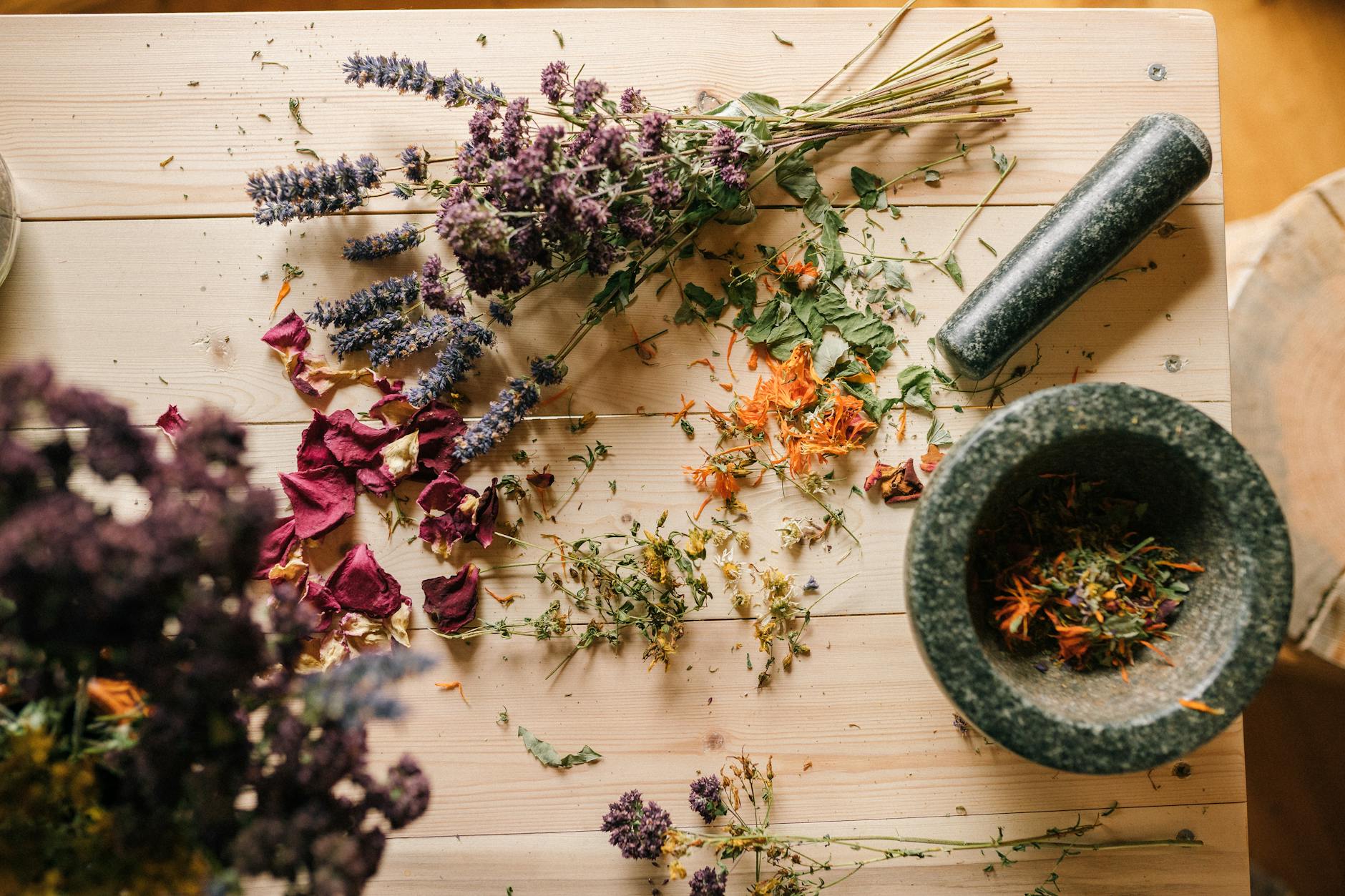
Herbs are the leafy, flowering, or aerial parts of plants (sometimes including stems or seeds) that are used for wellness, flavor, or ritual.
They’re typically:
- Harvested above ground
- Used fresh or dried
- Prepared as teas, tinctures, or infusions
Think of herbs as the gentler, surface-level parts of the plant, often associated with daily nourishment and subtle support.
Examples: leaves, flowers, soft stems, aromatic greens.
Powders
Powders aren’t a plant part themselves — they’re a form of preparation.
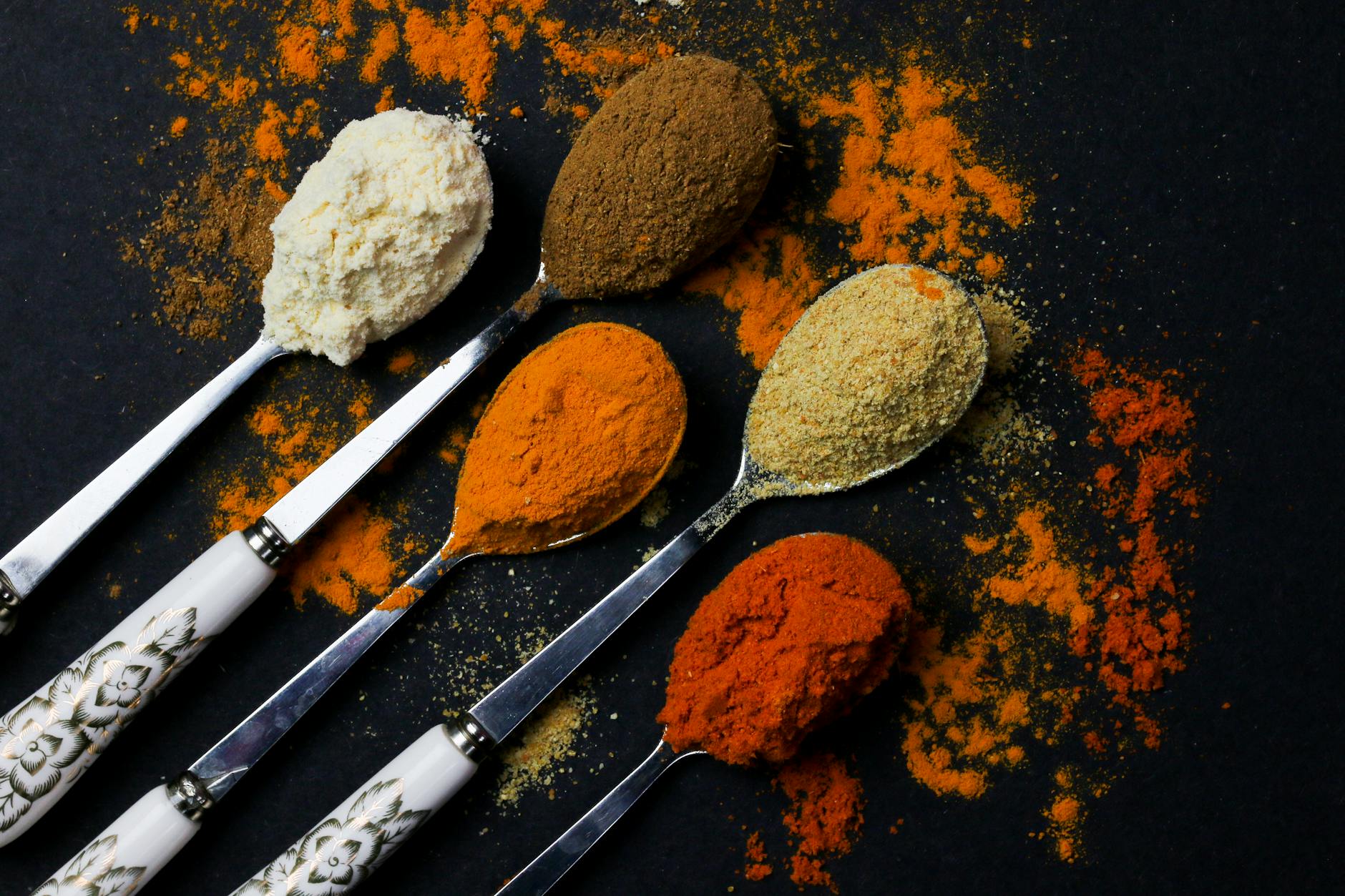
A powder is created by drying plant material (herbs, roots, bark, seeds, etc.) and grinding it into a fine consistency.
Powders:
- Concentrate the plant into an easy-to-use format
- Can be mixed into drinks, capsules, or foods
- Allow you to consume the whole plant material, not just an extracted tea
In other words: powders are how the plant is processed, not what part of the plant it is.
Roots
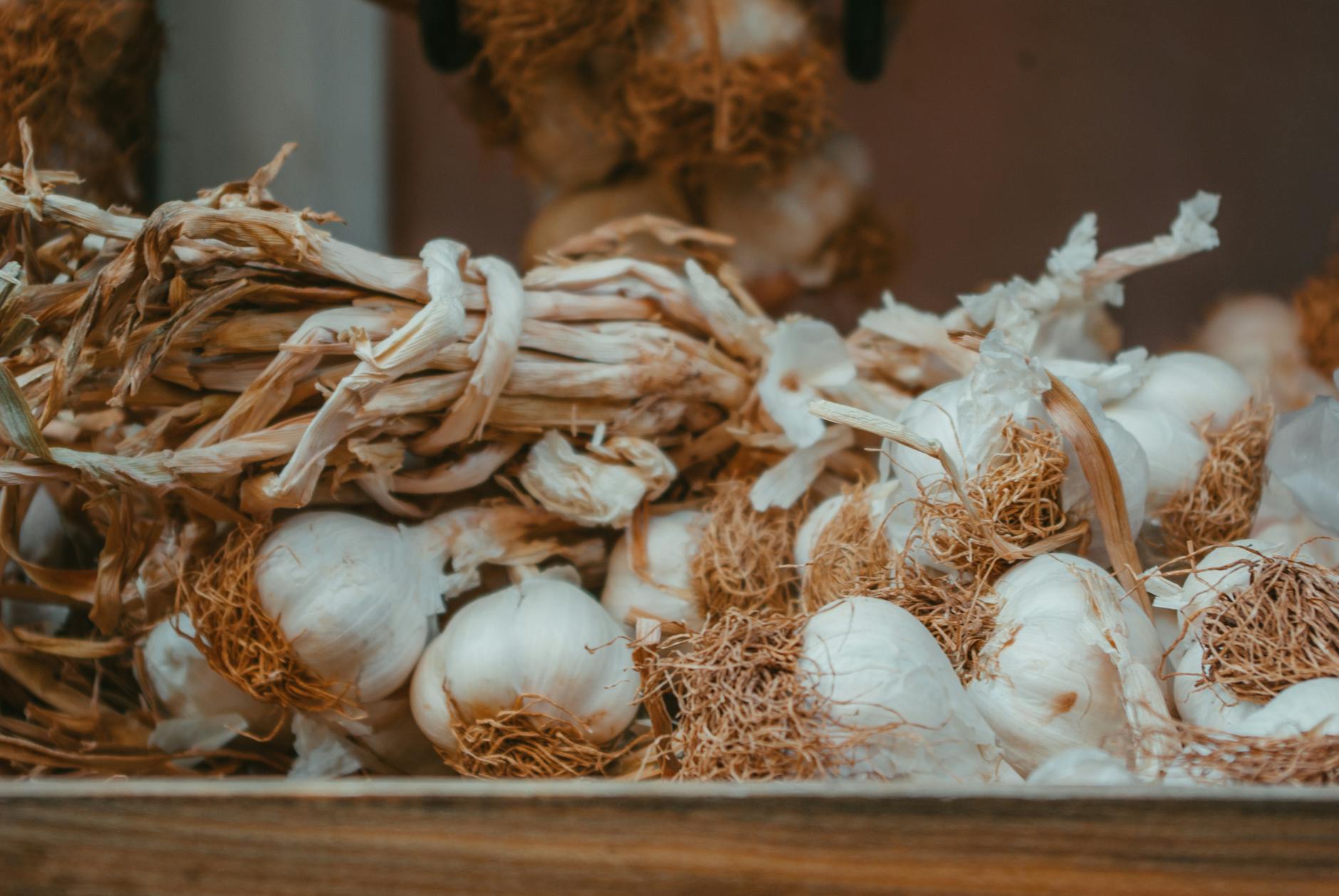
Roots are the underground portions of plants that anchor them and store nutrients.
In traditional herbal systems, roots are considered:
- More grounding and strengthening
- Slower acting but deeper working
- Rich in minerals and stored energy
They’re often simmered (decocted) rather than steeped, because they’re denser and tougher than leaves or flowers.
Roots symbolize a plant’s foundation: stability, resilience, and long-term support.

 EmberWood Herbs